What makes Kenyan specialty coffee world class
A look at the highland terroir, varietals and processing that give Kenyan coffee its distinctive bright, complex character.
Read more
From the Rift Valley highlands to your cup - the journey and grades of Kenyan tea that buyers should know.
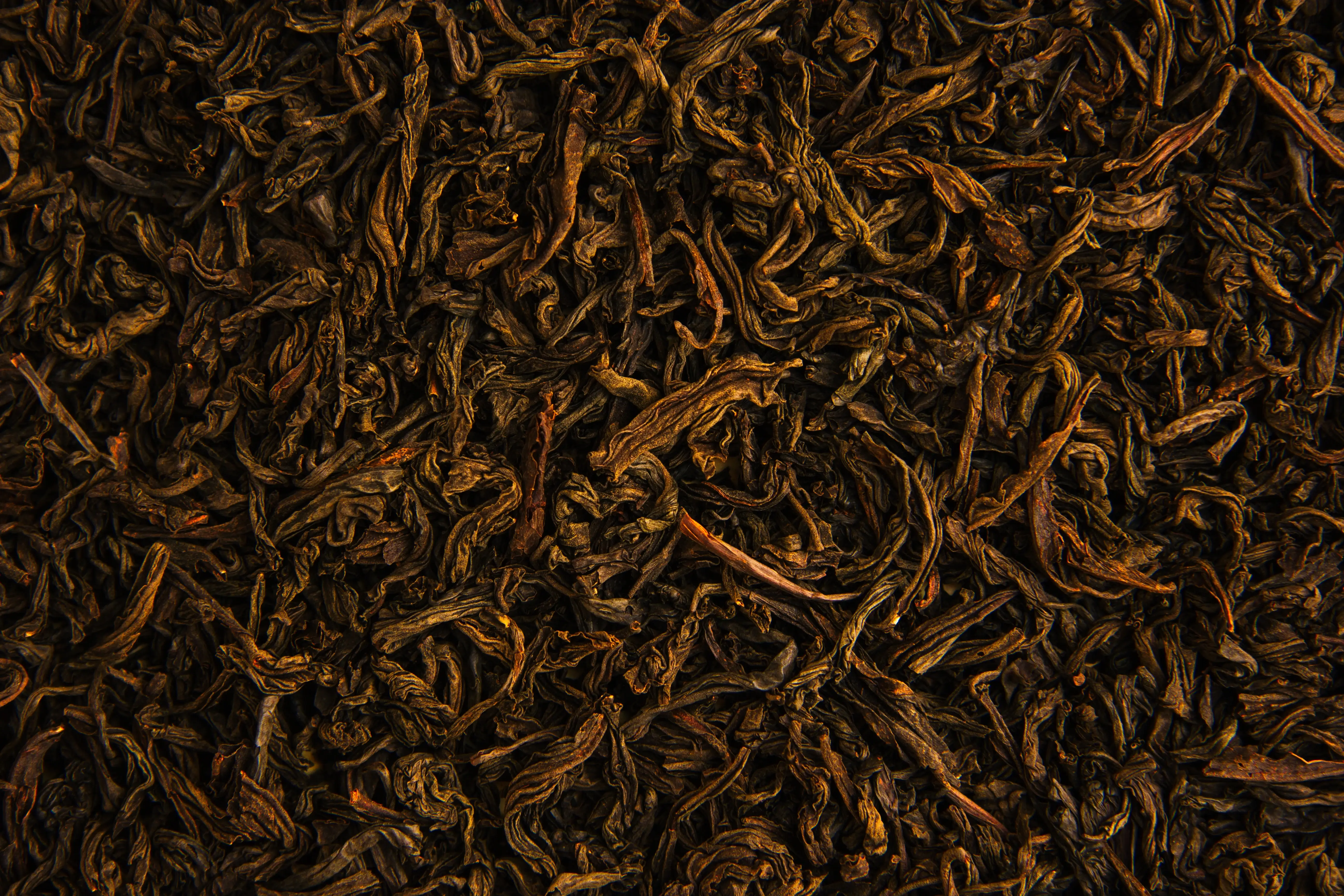
There is a good chance the last cup of tea you drank in Europe or the Middle East contained Kenyan leaf, whether or not the packet said so. Kenya is the world's leading exporter of black tea, and most of what it ships goes into blends that carry someone else's brand.
That anonymity hides a genuinely distinctive product and an unusual industry structure. This is how Kenyan tea is grown, made, graded and sold - and what a buyer needs to understand to specify it properly.
Kenyan tea grows in the highlands on both sides of the Rift Valley, generally between about 1,500 and 2,700 metres. West of the Rift the main districts are Kericho, Bomet, Nandi, Kisii and Nyamira; east of it, Nyeri, Murang'a, Kirinyaga, Embu and Meru on the flanks of Mount Kenya and the Aberdares.
The combination that makes it work is specific: deep, acidic volcanic soils, high altitude, long hours of equatorial sunlight, reliable rainfall across two seasons, and - critically - no frost and no dormant season. Tea bushes in Kenya flush all year round, which is why the country can supply continuously rather than in the sharp seasonal peaks that characterise Assam or Darjeeling.
Altitude does the same work here that it does in coffee. Slower growth at elevation concentrates the flavour compounds in the leaf, and the highest-grown Kenyan teas have a briskness and a bright, coppery liquor that blenders use specifically to lift flatter teas from elsewhere.
Kenya's tea industry has two halves. Large private estates, mostly in the Kericho belt, operate their own plantations and factories. Alongside them sits something much less common internationally: a national smallholder system.
The Kenya Tea Development Agency manages production, processing and sale for more than 650,000 registered smallholder growers across 18 tea-growing counties, through a network of over 60 factories. Growers typically farm plots of half a hectare to two hectares, pluck by hand, and deliver green leaf to a collection centre for transport to their factory.
Smallholders account for roughly 60 per cent of national production. In 2024 the KTDA smallholder segment produced around 313,000 tonnes, up 12.4 per cent on the previous year. National output does swing: production in the first seven months of 2025 was around 322 million kilograms, an 11.5 per cent fall against the same period a year earlier, driven mainly by weather.
For a buyer, the smallholder structure has a practical implication. Hand plucking gives finer leaf standard than the mechanical harvesting used in some origins, and the two-leaves-and-a-bud standard is genuinely enforced at the collection centres. But it also means your consignment is the pooled output of thousands of farms, which is why traceability programmes and farmer registries matter so much in this sector.
Almost all Kenyan tea is made by the CTC method - crush, tear, curl. Withered leaf passes through counter-rotating toothed rollers that rupture the cells and roll the leaf into small, uniform granules, which then oxidise and are fired.
CTC exists to produce strength, colour and speed of infusion. It gives a dark, brisk, full-bodied liquor that stands up to milk and sugar and brews in well under two minutes - which is exactly what a tea bag needs to do. Kenya's dominance of the global tea bag trade is a direct consequence of being very good at CTC.
Orthodox manufacture - gentler rolling that keeps the leaf largely intact - is a small but growing part of Kenyan output, aimed at the premium loose-leaf market and at value addition at origin. Orthodox Kenyan tea gives a lighter, more nuanced cup with visible whole leaf, and it sells into a completely different channel at a completely different price.
A grade name tells you particle size and manufacture. It says nothing about which garden the leaf came from.
This trips buyers up constantly. Kenyan CTC grades are sorting classifications by particle size, produced by passing fired tea over graduated meshes. They are not a quality ladder, and BP1 is not "better" than PF1 - they are different products for different jobs.
| Grade | Particle | In the cup | Typical use |
|---|---|---|---|
| BP1 Broken Pekoe 1 |
The largest CTC granules, round and grainy | Bright, medium-bodied, brisk; slower infusion | Premium loose-leaf blends |
| PF1 Pekoe Fannings 1 |
Finer and very uniform | Strong, bright, dark liquor with quick infusion | The tea bag workhorse and the most traded grade |
| PD Pekoe Dust |
Small, finely cut | Very strong, brisk, full-bodied | Strong blends, spiced and milk teas |
| D1 Dust 1 |
The finest particles, powder-like | Extremely strong and dark, brews almost instantly | Industrial tea bags and bulk blending |
| FNGS / BMF | Secondary fannings and broken mixed fannings, more fibrous | Moderate strength | Value blends |
Broadly, BP1 tends to trade at a premium and the dust grades at the lower end, but the differential moves with demand: markets that drink strong milk tea bid the fine grades up. PF1 is where most of the volume and most of the price discovery happens.
Where the tea actually came from - which factory, which altitude, which month - is carried by the invoice and factory mark, not by the grade. If consistency matters to you, contract on the mark.
The Mombasa Tea Auction is the largest single tea auction in the world and the price reference for East African tea. It handles Kenyan tea alongside volumes from Uganda, Tanzania, Rwanda, Burundi, Malawi and beyond, running weekly with catalogues published in advance and buying brokers cupping lots before the sale.
Because it aggregates so much supply and so many international buyers in one place, the auction does something valuable: it establishes a transparent, published price for each grade every week. Kenya's tea trade recorded a marketed value of around KSh 218.79 billion in 2025, with export volumes in the region of 653 million kilograms.
Direct sales outside the auction exist and are growing, particularly where a buyer wants a continuing relationship with a named factory, an orthodox product, or certified tea. They require more work and offer more control.
Decide first what the tea has to do. If it goes into bags, PF1 or PD is the honest answer and BP1 is money spent on a granule size your consumer will never see. If it goes into a visible loose-leaf pack, BP1 or an orthodox grade earns its premium.
Then specify beyond the grade: name the factory mark, the manufacture type, the season, and the certification your market requires. Ask for liquoring notes and a sample from the actual invoice. And plan for supply variability - Kenyan tea flushes year-round, but the weather still moves national volumes by double digits from one year to the next, and that shows up in the auction price before it shows up in your contract.
A look at the highland terroir, varietals and processing that give Kenyan coffee its distinctive bright, complex character.
Read more
Understand the varieties of Kenyan honey, how they differ and what to look for when sourcing for your market.
Read moreOur team is happy to share insight on products, markets and certifications for your needs.