Inside Kenya's renowned tea estates
From the Rift Valley highlands to your cup - the journey and grades of Kenyan tea that buyers should know.
Read more
Understand the varieties of Kenyan honey, how they differ and what to look for when sourcing for your market.
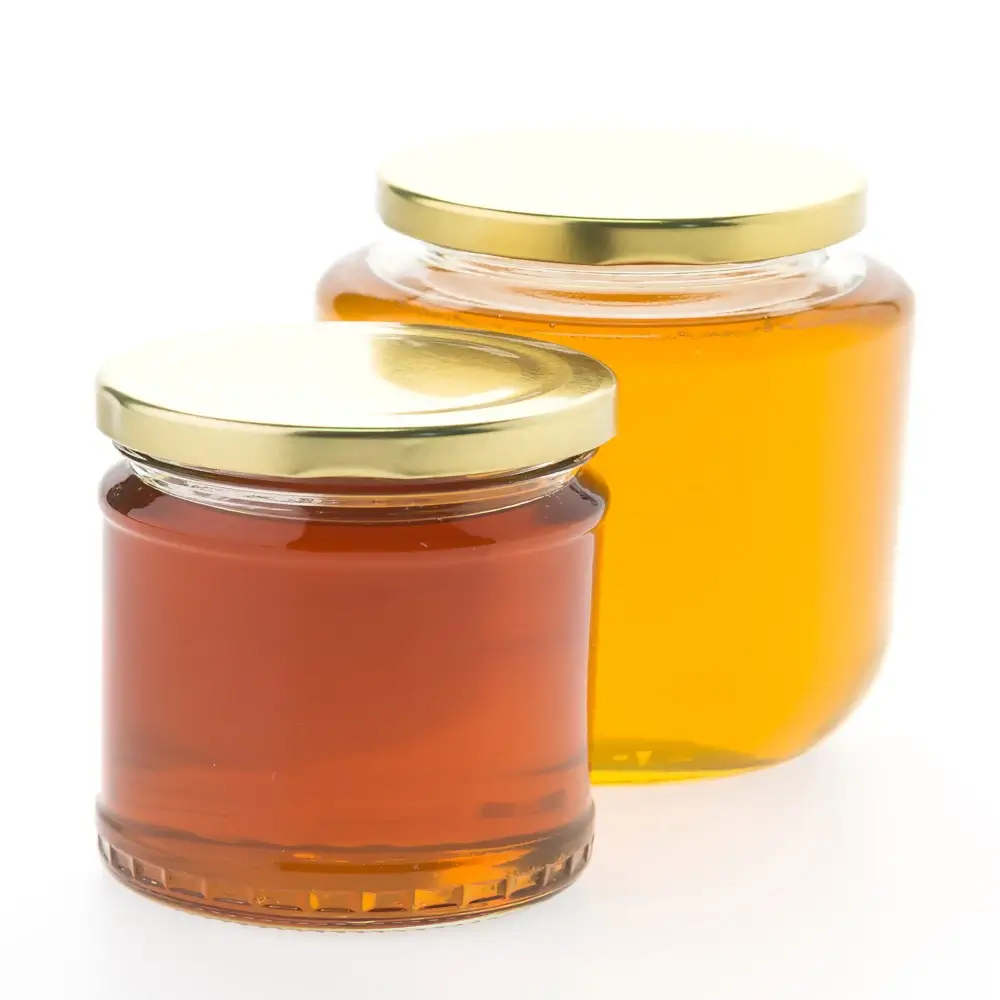
Honey is the easiest agricultural product to buy badly. It looks the same in every jar, the vocabulary around it is loose, and the two things that most determine whether a consignment is any good - moisture and floral source - are invisible until you test for them.
Kenya produces some genuinely distinctive honey, particularly from its arid rangelands, and it produces a lot of undifferentiated bulk honey too. This is a guide to telling them apart and to writing a specification that gets you the one you meant to buy.
Kenya's apiculture potential is put at more than 100,000 tonnes of honey a year, alongside a substantial beeswax output. Actual production sits at roughly a fifth of that. The gap is not a shortage of bees or forage - it is a shortage of modern hives, harvesting equipment and processing capacity.
Around 80 per cent of Kenya's land area is arid or semi-arid, and that rangeland is exactly where the country's best honey comes from. Acacia and other indigenous dryland flora flower prolifically and support colonies year-round, and beekeeping is one of the few agricultural enterprises that works well on land too dry for cropping. Baringo County leads national production, and its honey from the Lake Bogoria area is the country's best-known named type.
The other honey-producing regions worth knowing are the Kerio Valley, Kitui and the wider Ukambani rangelands, West Pokot, Kajiado and the Mount Elgon and Cherangani forest edges - the last of which produce a darker forest honey with a very different character from the dryland types.
Kenya's signature. Produced where Acacia species dominate the forage, it is typically light amber, mild and floral, with a clean finish and relatively little of the bitterness found in forest honeys. Because of its sugar profile it tends to stay liquid longer than most - slow crystallisation is one of its commercial selling points, though it is not a guarantee and it is not a proxy for purity.
Drawn from mixed indigenous forest and highland flora rather than a single dominant source. Darker, sometimes close to mahogany, with a fuller, more resinous, more complex flavour and a higher mineral content. Buyers looking for a distinctive, strongly regional product usually end up here. It crystallises faster than acacia honey, and that is normal.
The Livestock (Bee Industry) Act 2023 classifies honey by processing into crude or unprocessed, semi-refined and refined categories. Be aware that these are administrative categories rather than tightly defined technical grades, so "raw" on a Kenyan offer sheet does not carry a fixed legal meaning the way an EU organic claim does.
What you should agree explicitly with the supplier is the processing itself: whether the honey was strained or filtered, at what mesh, and at what temperature. Honey heated hard to speed filtration loses aroma and gains hydroxymethylfurfural. If you are buying on the raw proposition, put a maximum processing temperature in the contract rather than relying on the word.
Buy the analysis certificate, not the adjective on the label.
Kenyan beekeeping runs on three hive systems, and which one a supplier uses tells you a lot.
| Hive type | How it works | Effect on the honey |
|---|---|---|
| Traditional log hive | A hollowed log hung in a tree; comb is cut out at harvest | Cheap and widespread, but the colony is destroyed or badly set back, comb and brood contaminate the crop, and smoke taint is common |
| Kenya Top Bar Hive (KTBH) | Movable top bars in a trough-shaped box; combs lift out individually | Selective harvesting of capped honey only, far cleaner product, colony survives |
| Langstroth | Movable frames in stacked boxes; honey supers extracted centrifugally | Highest yields and the cleanest honey; comb is returned to the bees, so the colony rebuilds fast |
Most Kenyan beekeeping is still smallholder and still substantially traditional, which is the main reason national output sits so far below potential. A supplier who has moved their producer group onto top-bar or Langstroth hives is offering you a cleaner product with a more reliable supply - and the price will reflect that. It is usually worth it.
The single most important number. Honey above roughly 20 per cent moisture is at risk of fermenting in the drum, which turns a consignment into a loss. The Kenya Bureau of Standards permits a maximum of 22 per cent, while the Codex Alimentarius international standard sets 20 per cent for most honeys. If your destination market works to Codex, say so in the contract - do not assume the Kenyan maximum will pass.
HMF rises with heating and with age. A low HMF figure is the most reliable evidence that honey has been handled gently and has not been sitting in a hot warehouse for two years. Specify a maximum and require it on the certificate of analysis.
If you are paying a premium for acacia honey, require pollen analysis to substantiate it. Melissopalynology - identifying the pollen grains present - is the accepted method for confirming that a honey is what its label claims. Kenyan honeys have been characterised in the research literature by exactly these methods, so the reference data exists.
Dilution with sugar syrup is the sector's persistent problem worldwide, and it is not detectable by taste. Sugar profile testing, and where the value justifies it C4 sugar or isotope ratio analysis, is the defence. Build it into your incoming goods checks rather than trusting the supply chain.
A cap on water-insoluble solids catches wax fragments, brood remains and general debris - the tell-tale of crude harvesting from log hives. It is a cheap test and a good early warning.
Bulk honey normally moves in food-grade HDPE drums or lacquered steel, typically around 300 kg. Insist on new or certified food-grade drums; recycled drums are a contamination risk that is not worth the saving.
Honey is hygroscopic, so drums must be properly sealed - an imperfect seal in a humid port will lift the moisture content of the top layer and start fermentation there. Keep the consignment out of direct heat in transit, since sustained high temperature drives HMF up and aroma down. Crystallisation in transit is not a defect and is not grounds for rejection; it is a normal physical behaviour and is reversed by gentle warming.
If you are buying for retail rather than for ingredient use, agree the jar format, labelling language and any country-of-origin declarations up front. Requirements differ sharply between the EU, the Gulf states and East African markets.
Write the specification before you take the sample, not after. Name the floral type, set maximum moisture and HMF, require a certificate of analysis from an accredited laboratory for every lot, and state the packaging standard. Then ask the supplier which hive system their producers use - the answer will tell you more about what is coming than the sample jar will.
Kenyan honey rewards a buyer who does this properly. The dryland acacia types in particular are genuinely distinctive, they carry a real story about land that supports almost nothing else, and the producers behind them are among the most under-served in the country's agricultural economy.
From the Rift Valley highlands to your cup - the journey and grades of Kenyan tea that buyers should know.
Read more
Organic, Fair Trade and Global G.A.P explained, and how the right certification unlocks new buyers.
Read moreOur team is happy to share insight on products, markets and certifications for your needs.