Sustainable sourcing: good for farms and buyers
How environmentally responsible practices protect the land while delivering consistent, high-quality produce for export.
Read more
Organic, Fair Trade and Global G.A.P explained, and how the right certification unlocks new buyers.

Most conversations about certification start in the wrong place. A producer asks which certificate will open the most doors, gets told GLOBALG.A.P., spends a year and a great deal of money getting it - and then discovers their consignment cannot leave the country because they never registered with KEPHIS.
There are two separate stacks here. One is regulatory: what Kenyan and destination-market law requires before produce may legally move. The other is commercial: what a particular buyer demands before they will place an order. You need both, and only the second one is negotiable.
The Horticultural Crops Directorate, under the Agriculture and Food Authority, licenses anyone commercially exporting fresh fruit, vegetables or flowers from Kenya. It is an annual licence, applied for at organisation level, and it requires incorporation or cooperative registration documents, a KRA PIN and evidence of where the produce is being sourced from. For a cooperative, the licence covers the produce of its members.
The Kenya Plant Health Inspectorate Service is the plant health authority. Two things follow from that.
First, every production site and packhouse feeding an export programme must be registered with KEPHIS and pass inspection. Second - and this is the requirement most often underestimated - a phytosanitary certificate is required for every single consignment. Not annually, not per contract. Per shipment. It certifies that the consignment has been inspected and found free from regulated pests.
The process runs through the KEPHIS electronic certification system. Exporters apply for pre-export inspection ahead of shipping, an inspector examines the consignment, and the certificate is issued once it passes. KEPHIS maintains offices at JKIA cargo and Mombasa port as well as regionally, and inspection fees are modest relative to the value of a container.
The packhouse has to pass hygiene and traceability inspection: cleanable surfaces, pest exclusion, separation of chemicals from produce, handwashing and sanitation, traceability from intake through to dispatch, and temperature-controlled storage appropriate to the crop. For anything perishable, the cold chain is not a certification detail - it is the difference between arrival and rejection.
Beyond Kenya's own requirements sit the importing country's. For the EU that means maximum residue levels for pesticides, food contact material rules, labelling requirements, and - for coffee, cocoa, wood and the other in-scope commodities - a due diligence statement under the EU Deforestation Regulation. We cover that in detail in our piece on sustainable sourcing.
Certification gets you the buyer. Regulation gets you out of the country. Confusing the two is expensive.
What it is: a business-to-business good agricultural practice standard covering food safety, worker health and safety, environmental management and traceability at farm level. It is invisible to consumers - it exists to satisfy retail buyers.
Why it matters: it is the effective entry ticket for European and UK supermarkets. For most fresh produce programmes into those markets, no GGN means no conversation.
The current version: Integrated Farm Assurance version 6. From 1 January 2024, IFA v6 replaced v5.2 for fruit and vegetables, flowers and ornamentals, hops and aquaculture. It comes in two editions - IFA v6 Smart and IFA v6 GFS. Both are valid; the GFS edition carries Global Food Safety Initiative recognition, which matters primarily for buyers who require a GFSI-benchmarked scheme, and is the more relevant route for the US market. Anyone still holding or quoting an older version needs to transition.
The practical note for smallholders: individual certification is expensive. Option 2 group certification, where a cooperative or producer group certifies collectively under a quality management system, brings the per-farmer cost down by an order of magnitude and is how most Kenyan smallholder programmes achieve it. UK retailers frequently also require the GRASP social practice add-on.
What it is: an ethical trade certification with a consumer-facing mark, built around producer organisations rather than individual farms.
What makes it structurally different: it is the only major scheme that guarantees a price floor plus a separate development fund controlled by the farmers themselves. For washed Arabica coffee, the Fairtrade Minimum Price rises to USD 2.00 per pound from 1 December 2026, up from USD 1.80. On top of the price, the Fairtrade Premium of USD 0.20 per pound is paid to the producer organisation, which decides democratically how to spend it - typically on a wet mill, a school, a health facility or farm inputs. Certified organic coffee carries a further differential of USD 0.40 per pound.
Where it fits: coffee, tea and a range of fresh produce including bananas, avocados, mangoes and pineapples. It sells into markets where consumers actively look for the mark - strong in the UK, Ireland, the Nordics, Germany and Switzerland - and it is worth relatively little in markets where they do not.
What it is: certification that production follows organic rules - no synthetic pesticides or fertilisers, no GMOs, and a conversion period of typically two to three years before produce may be sold as organic.
The complication: there is no single global organic standard. Selling into the EU means complying with Regulation (EU) 2018/848; selling into the United States means the USDA National Organic Program; Japan has JAS. A certificate for one market is not automatically a certificate for another, and buyers should confirm the certifier is accredited for the specific destination.
The economics: organic carries the largest price premium of the three, but the conversion period is unpaid, yields usually fall, and the record-keeping burden is heavy. It suits producers whose systems are already close to organic - which describes a good deal of smallholder Kenyan agriculture, where synthetic input use has always been low for reasons of cost rather than philosophy.
| Destination | Usually required | Adds value |
|---|---|---|
| EU / UK retail | GLOBALG.A.P. IFA v6, MRL compliance, EUDR statement for in-scope goods | GRASP, Fairtrade, organic, Rainforest Alliance |
| United States | FDA registration and FSMA compliance; GFSI-benchmarked scheme for most retail | USDA NOP organic, Fairtrade |
| Middle East | Phytosanitary certificate and destination import permits | Halal where applicable; GLOBALG.A.P. for premium retail |
| China and East Asia | Bilateral protocol compliance and registered facilities for the specific crop | GLOBALG.A.P., organic |
Do the regulatory stack first, and confirm it independently - ask to see the HCD licence, the KEPHIS registration for the specific packhouse, and a recent phytosanitary certificate. Those three documents tell you whether a supplier can actually ship.
Then choose the commercial certification by destination, not by prestige. Paying for organic to serve a market that does not price it is a waste; not having GLOBALG.A.P. for a European retail programme is a non-starter. And if you are working with smallholders, budget for group certification and for the quality management system that sits under it - that system, not the certificate on the wall, is what actually delivers consistent produce.
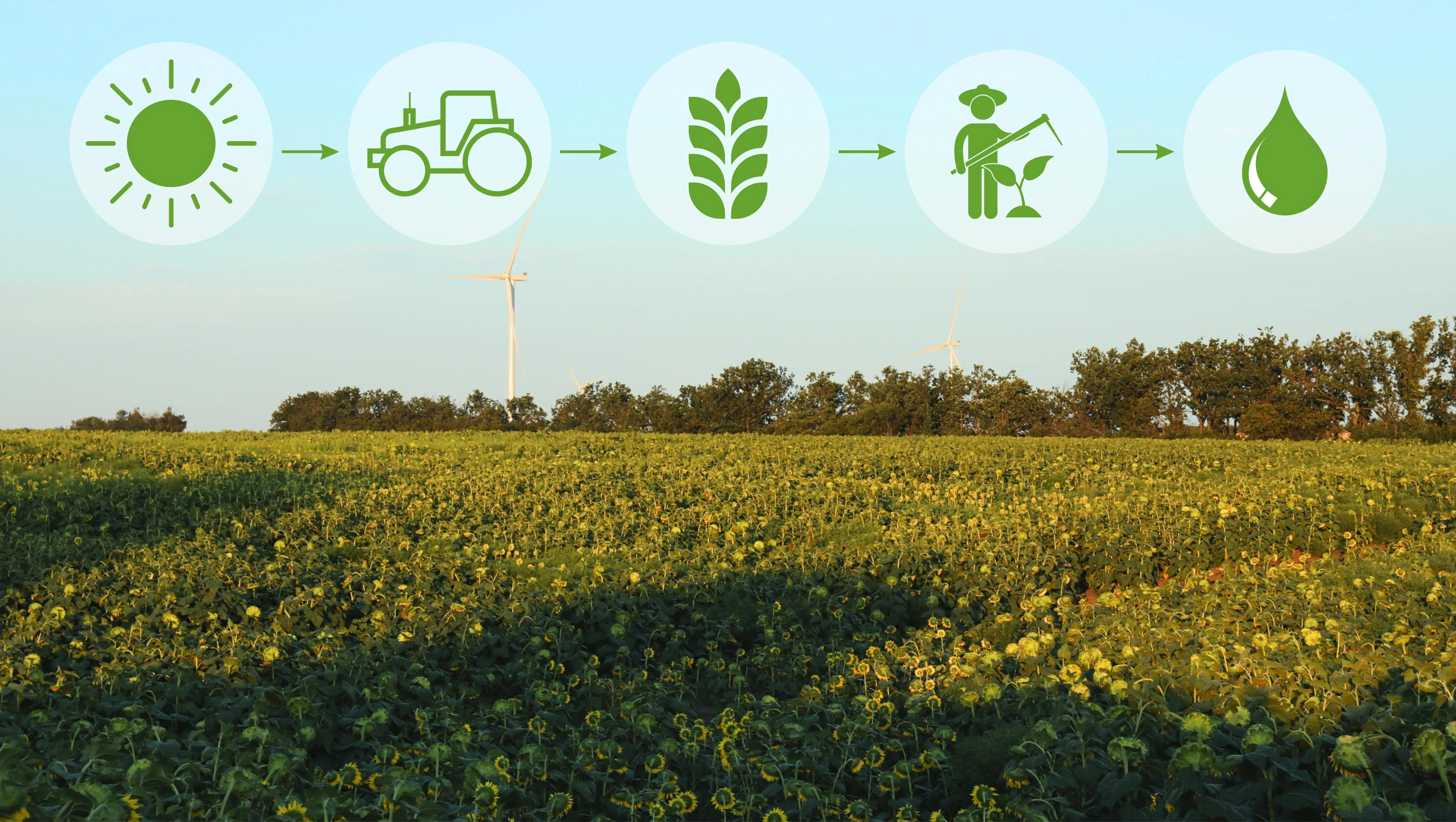
How environmentally responsible practices protect the land while delivering consistent, high-quality produce for export.
Read more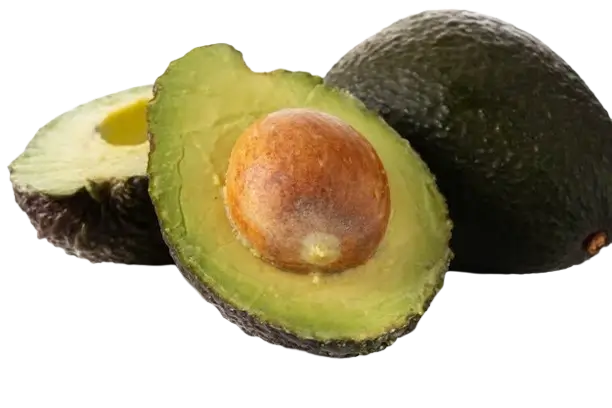
Why global demand for Kenyan avocados keeps climbing, and what it means for producers and buyers.
Read moreOur team is happy to share insight on products, markets and certifications for your needs.